

Blog

Zachman International & FEAC Institute

Enterprise Architecture in 2026: From Maps to Managed Decisions

Maps-to-Managed-Decisions

Over the past five years, enterprise architecture has undergone a quiet but profound transformation. What began as a response to digital disruption in the early 2020s has accelerated sharply through 2025, driven by AI, platform engineering, regulatory pressure, and economic constraints. As we move into 2026, the role of enterprise architecture is no longer centered on documenting the enterprise. It is about governing autonomy, shaping decisions, and sustaining trust at scale.

This shift is not theoretical. Industry research and practice over the past several years point to a clear conclusion: architecture programs that remain artifact-centric will struggle to stay relevant, while those that reposition themselves as decision engines will become indispensable. 
  778 Hits

The Importance of Architecture Description Documents (ADD) in Enterprise Architecture

The Importance of the ADD in the enterprise ADD an often overlooked part of decision documentation

Introduction

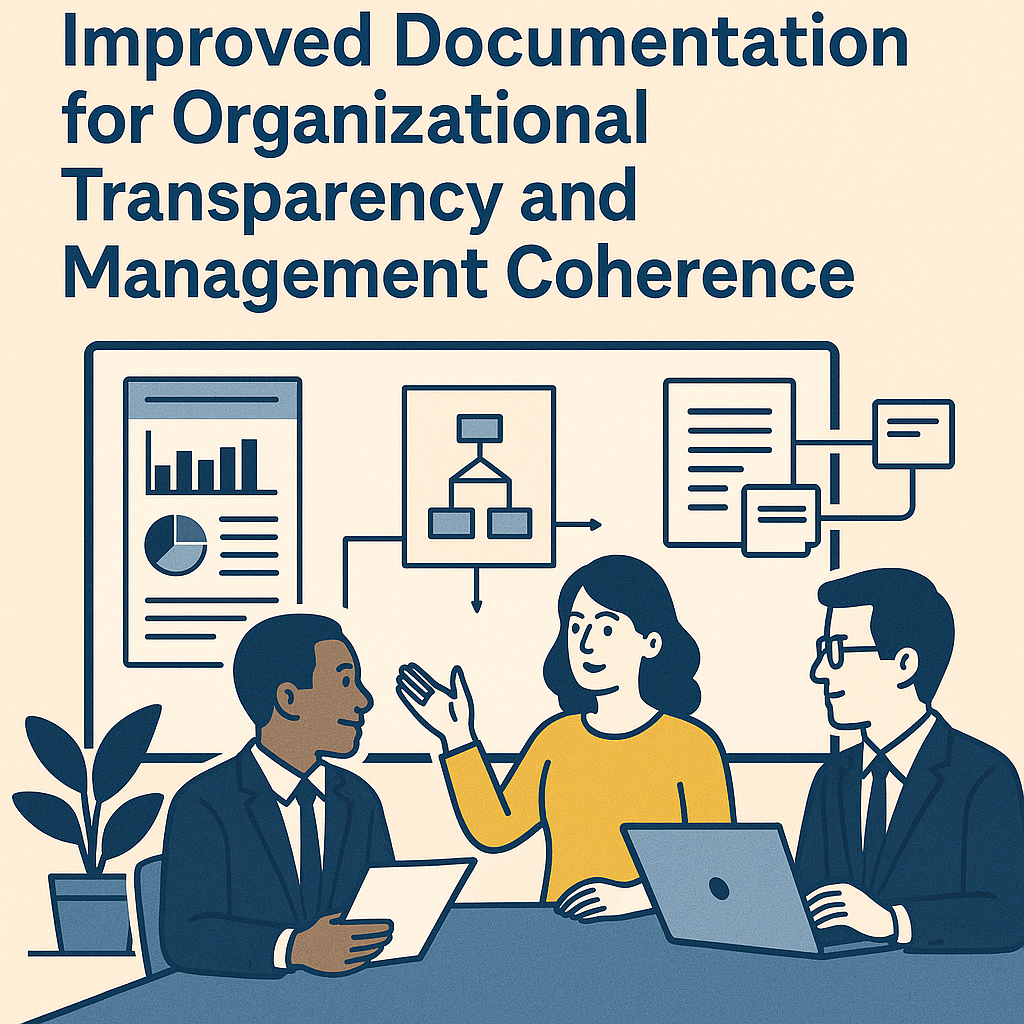
Enterprise architecture (EA) fosters transparency and management coherence across complex organizations. Like strategic planning, governance, and Integrated Performance Management (IPM), EA is a foundational management tool that enables organizations to align business objectives with technology execution. It provides a structured lens for understanding the enterprise ecosystem, navigating complexity, and making informed decisions.

A vital component of this effort is documentation. Well-maintained documentation ensures clarity, consistency, and continuity across teams and projects. It captures decisions, processes, and structures in a reliable format, supports effective communication, and preserves institutional knowledge. More than architectural diagrams alone, this includes rationale for decisions, supporting data, and dependencies—elements best captured in the often-overlooked Architecture Description Document (ADD). As a comprehensive reference, the ADD plays a pivotal role in onboarding, governance, and change management by offering a trustworthy resource to guide actions and maintain alignment with organizational goals.

  7706 Hits

Thriving in Uncertainty: Building Adaptability and Resilience with Large Language Model-based AI

Thriving in Uncertainty: Building Adaptability and Resilience with Large Language Model-based AI

In today's fast-paced work environment, adaptability and resilience are essential, not optional. Unexpected changes, shifting priorities, and unforeseen challenges can disrupt even the most carefully planned strategies. Success relies on the ability to adjust quickly, manage stress effectively, and view obstacles as opportunities for growth.

A powerful tool for developing these skills is utilizing large language model (LLM) AI in conjunction with real-world human interactions. AI can simulate real-world challenges, provide structured problem-solving exercises, and offer insights on stress management and leadership, making it a valuable resource for navigating uncertainty. While direct engagement with colleagues, mentors, and peers remains essential, AI acts as a supplementary tool when human interaction is limited due to busy schedules or unavailability, ensuring continuous learning and skill development. 

  2594 Hits

Connect with us

15954 Jackson Creek Pkwy
Suite B463
Monument, CO 90132

  • dummyZACHMAN: (818) 244-3763

  • dummyFEAC: (703) 836-1002 

  • dummy

Newsletters

Enter your email address to stay up to date with our latest news.

Search